



Employees traverse the expansive circular walkways of Apple Park, the company’s enormous ring-shaped headquarters, on a clear afternoon in Cupertino, California. It almost seems theatrical how the glass walls reflect the sun, as though the structure itself is aware that it is more than just an office complex. Engineers are working on chips inside those walls, designers are arguing over color schemes, and somewhere on Wall Street screens around the globe, Apple stock, which is currently trading at about $262, is subtly shifting a few cents at a time.
Most people don’t realize how important those little movements are. Apple is more than just another tech company, with a market value close to $3.9 trillion. Its stock now more closely resembles a gauge for the whole tech sector. Investors typically feel optimistic about Silicon Valley when Apple performs well. The mood can change rapidly when it dips.
| Category | Information |
|---|---|
| Company | Apple Inc. |
| Stock Ticker | AAPL (NASDAQ) |
| Headquarters | Cupertino, California, USA |
| Current Stock Price | Around $262.52 USD |
| Market Capitalization | Approximately $3.86 Trillion |
| P/E Ratio | Around 33 |
| Founded | 1976 |
| CEO | Tim Cook |
| Reference Website | https://investor.apple.com |
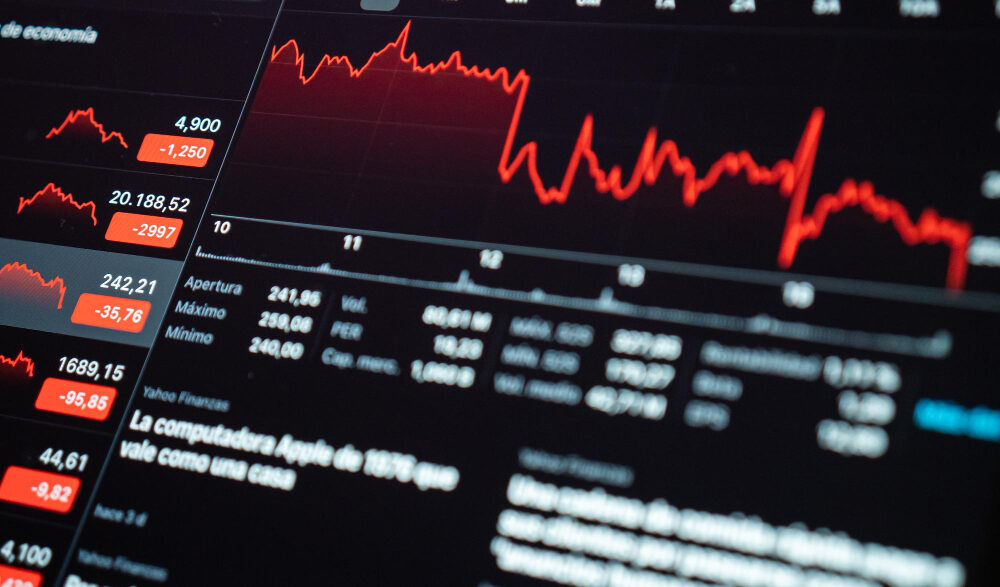
The stock has been trading in an odd middle ground lately. It is still well above the $169 mark from the market’s decline last year, but it is still comfortably below its 52-week high of roughly $288. It appears from looking at the chart that Apple is halting rather than retreating, nearly catching its breath after years of unrelenting expansion.
Regarding the future, investors appear to be split. Some highlight Apple’s sound financial standing. The business reported revenue of about $143.7 billion in the most recent quarter, up more than 15% from the previous year. Additionally, earnings exceeded analysts’ expectations. For a business that already operates at an extraordinary scale, those are impressive numbers.
However, scale itself produces an odd tension. It’s impressive to grow a small tech startup by 20 percent. Expanding a business that is already valued at almost $4 trillion is quite another. Every small improvement or the introduction of a new product must somehow make a huge financial difference.
Apple seems to understand that difficulty. The company has released a number of new products in the last week, such as the colorful MacBook Neo, a lightweight laptop targeted at younger consumers, and the affordable iPhone 17e. At about $599, the Neo seems like a conscious effort to appeal to a demographic that might otherwise gravitate toward less expensive Chromebooks or Windows laptops.
The strategy starts to make sense when you stand inside an Apple Store on a normal Saturday afternoon. While parents examine MacBooks under bright showroom lights, teenagers lean over demo tables and browse through iPhones. Compared to most electronics stores, Apple stores continue to have an exceptionally serene atmosphere that combines quiet confidence with minimalist design.
It’s difficult to ignore how steady the crowd stays. Apple’s secret weapon has always been that consistent customer base. According to analysts, the company currently has over 2.5 billion active devices in use globally. In addition to being a purchase, each device serves as a gateway to Apple’s network of services, upgrades, and subscriptions.
The company’s profits are subtly supported by that ecosystem. Despite the fact that iPhones take center stage, Apple’s services division, which includes iCloud storage, Apple Music, and App Store revenue, has profit margins of about 75%. Hardware sales attract clients, but services keep them coming back year after year.
However, the tech environment surrounding Apple is changing. All of a sudden, the industry is obsessed with artificial intelligence. Competitors vying for control of data centers, software tools, and AI infrastructure include Microsoft, Google, and Nvidia. As usual, Apple seems to be taking more caution.
Using specialized chips like the Neural Engine to process tasks locally, Apple appears focused on integrating AI directly into its devices rather than relying on large cloud AI systems. This more subdued approach might work.
Technology that operates subtly rather than dramatically is frequently preferred by consumers. Users might not even consider artificial intelligence (AI) if Apple is successful in integrating it into routine tasks like voice assistants, photo editing, and messaging.
They will simply consider it an improvement in the functionality of their phone. However, some investors continue to be skeptical.
Assuming sustained robust growth, Apple’s stock is currently valued at a price-to-earnings ratio above thirty. That expectation may seem high for a company that already controls the smartphone market.
Innovation at lower price points is still being driven by Samsung, Google, and a new generation of Chinese smartphone manufacturers. In the meantime, a large portion of the enthusiasm surrounding artificial intelligence is being captured by firms such as Microsoft and Nvidia.
It seems like the focus of the tech industry is moving slightly away from consumer electronics and toward AI infrastructure in recent years.
Ten years ago, when the iPhone boom slowed, some questioned the company’s ability to endure. They later questioned whether the growth of hardware could be replaced by services revenue. Every time, Apple made adjustments, sometimes subtly and other times with the introduction of a product that instantly altered the discourse.
The business also has exceptional flexibility thanks to its massive cash reserves, which total over $66 billion.
Apple has three options: it can buy startups, invest in new technologies, or just watch as rivals spend money. Not many businesses in history have enjoyed that luxury.
With every earnings report and new product announcement, Apple’s stock price fluctuates slightly, currently hovering around the mid-$260 range. While some analysts think the stock may stay range-bound as the company grows, others think it may eventually approach $300 or even higher.
It’s difficult to avoid thinking that Apple has moved into a new stage as the argument develops.
The period of rapid expansion is over. However, the company continues to be at the forefront of consumer technology worldwide, discreetly shipping millions of devices every quarter.
And engineers are already working on whatever comes next somewhere in Apple Park.


