The Texas Tech Athletics official announcement confirmed the Galaxy Digital stadium deal on 17 July: the former Jones AT&T Stadium will become Galaxy Stadium from the 2026 season, under a 15-year agreement worth $75 million, according to Bitcoin.com News.
The deal was brokered by Texas Tech Athletics Partners, the Learfield-affiliated multimedia rights holder that controls all sponsorship for the athletics department. Galaxy also becomes the official digital assets and data center partner of Texas Tech Athletics, with branding extending beyond football to men’s and women’s basketball through digital, social, and in-game activations.
The renamed venue opens on 5 September, when Texas Tech hosts Abilene Christian in its Big 12 season opener.
Galaxy Digital Stadium Deal Anchors a Wider West Texas Bet
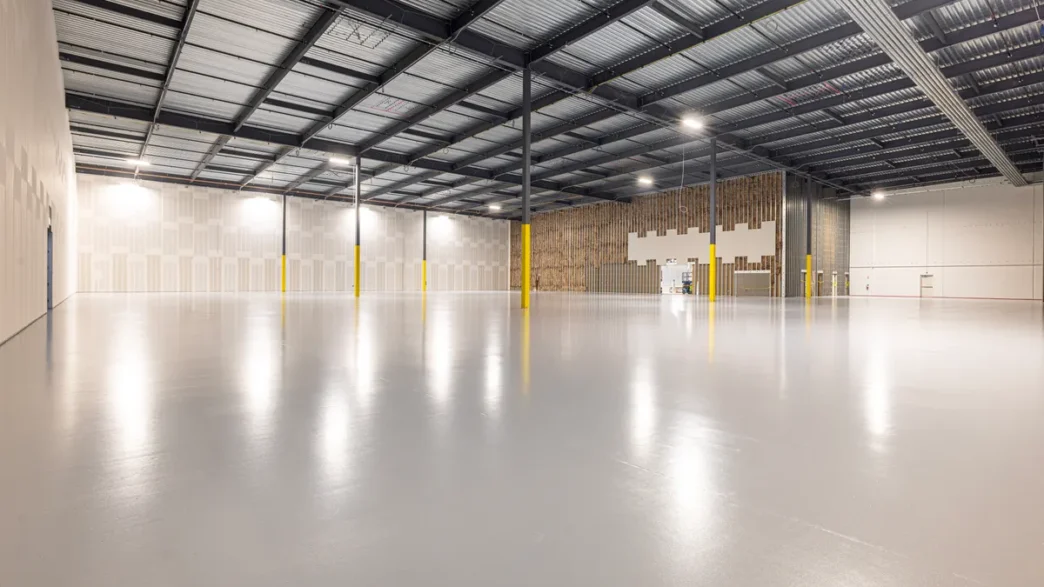
The naming rights alone do not explain the deal’s logic. Galaxy’s Helios data center campus sits in Dickens County, roughly 60 miles east of Lubbock, making Texas Tech the most visible neighbour to one of the country’s larger digital infrastructure builds.
Helios spans more than 2,200 acres with 1.63 GW of approved power capacity and potential to scale to 3.6 GW, per a Galaxy press release republished by KCBD. Phase I completed on schedule in July 2026, delivering approximately 200 MW of gross power (133 MW of critical IT load) to CoreWeave under a 15-year lease, with rent commencing in Q2 2026.
Phase II is already in the pipeline. Galaxy plans a $3.507 billion debt offering to fund the next build-out in Dickens County: two buildings across eight data halls, adding 400 MW of utility capacity and 260 MW of critical IT load, per Yahoo Finance.
The company is also the largest employer and taxpayer in Dickens County, having invested in local broadband, public safety, and workforce pipelines with area schools.
Galaxy’s Texas Footprint Keeps Expanding
Helios is not Galaxy’s only Texas asset. The company acquired a 500-acre campus in McGregor, a second major data center site in the state, per a Galaxy PR Newswire release. McGregor sits well south of the Permian Basin, diversifying the geographic spread of Galaxy’s Texas capacity.
The university side of the arrangement adds AI project development, workforce training, and student-athlete name, image, and likeness opportunities. Specifics on each programme remain undisclosed.
Texas has become the default location for digital infrastructure at scale. Riot Platforms, Cipher Mining, Core Scientific, CleanSpark, IREN, and Hut 8 all operate mining or computing facilities in the state. The political environment has followed: industry-affiliated PACs spent more than $10 million on Texas congressional primary runoffs in May, with all six backed candidates winning.
Governor Greg Abbott signed legislation creating the Texas Strategic Bitcoin Reserve last year, and state officials subsequently moved the reserve’s exposure from a spot Bitcoin ETF toward directly custodied BTC.
On the infrastructure deal front, Canaan’s acquisition of a 49% stake in Cipher Mining’s three West Texas sites (Alborz LLC, Bear LLC, and Chief Mountain LLC) was structured as a non-cash equity issuance at $0.74 per ADS, totalling $39.75 million, and included 6,840 Avalon A15Pro-AVG-221T mining rigs, per the Canaan SEC filing. The snippet described it as a near-$40 million cash deal; the SEC filing clarifies the consideration was equity, not cash. The three sites run a combined 120 MW at sub-3 cents/kWh, with Alborz on off-grid wind and the other two on competitive grid rates.
Galaxy’s stadium play fits the same pattern: lock in visibility and community relationships in a geography where the company is already deeply embedded. The $75 million commitment over 15 years is modest relative to the $3.5 billion Phase II debt raise. Whether the AI and workforce programmes attached to the Texas Tech deal produce anything concrete is the open question; the branding and political goodwill start landing the moment the 2026 season kicks off.