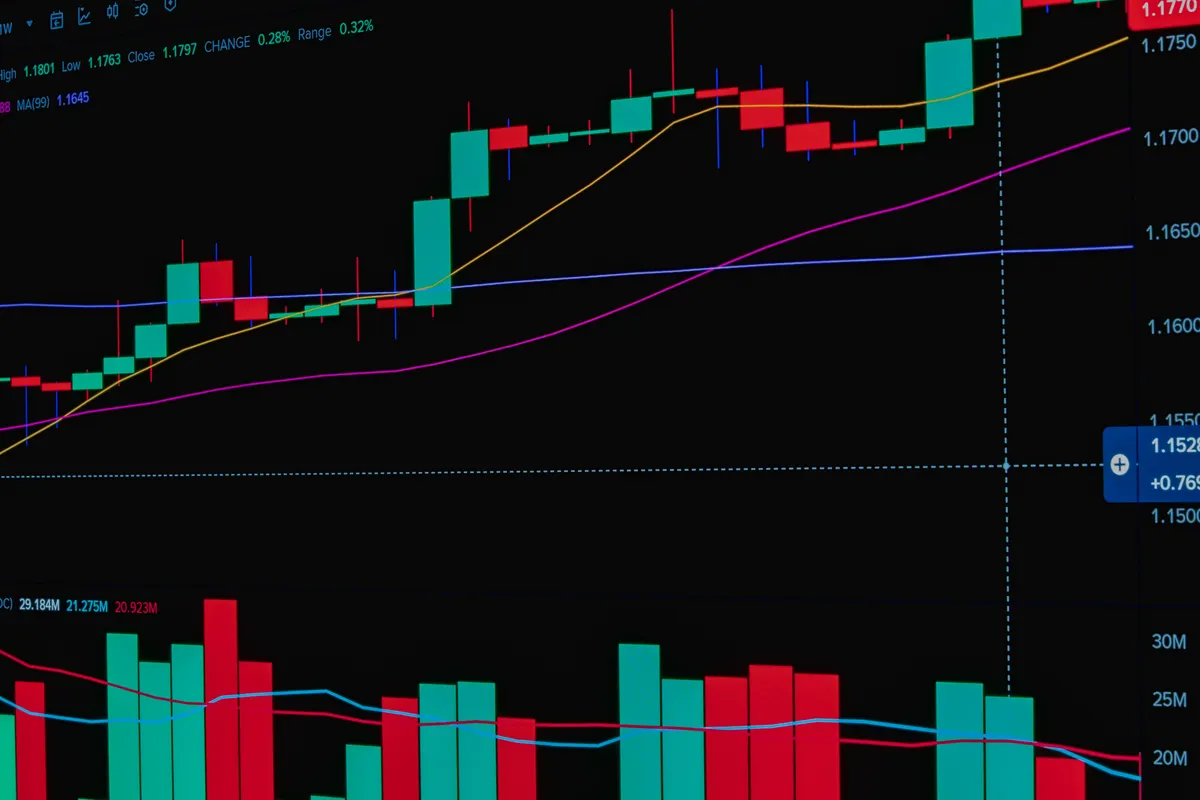
Crypto Treasury ETH Sales Fund AI Data Centre Buildouts

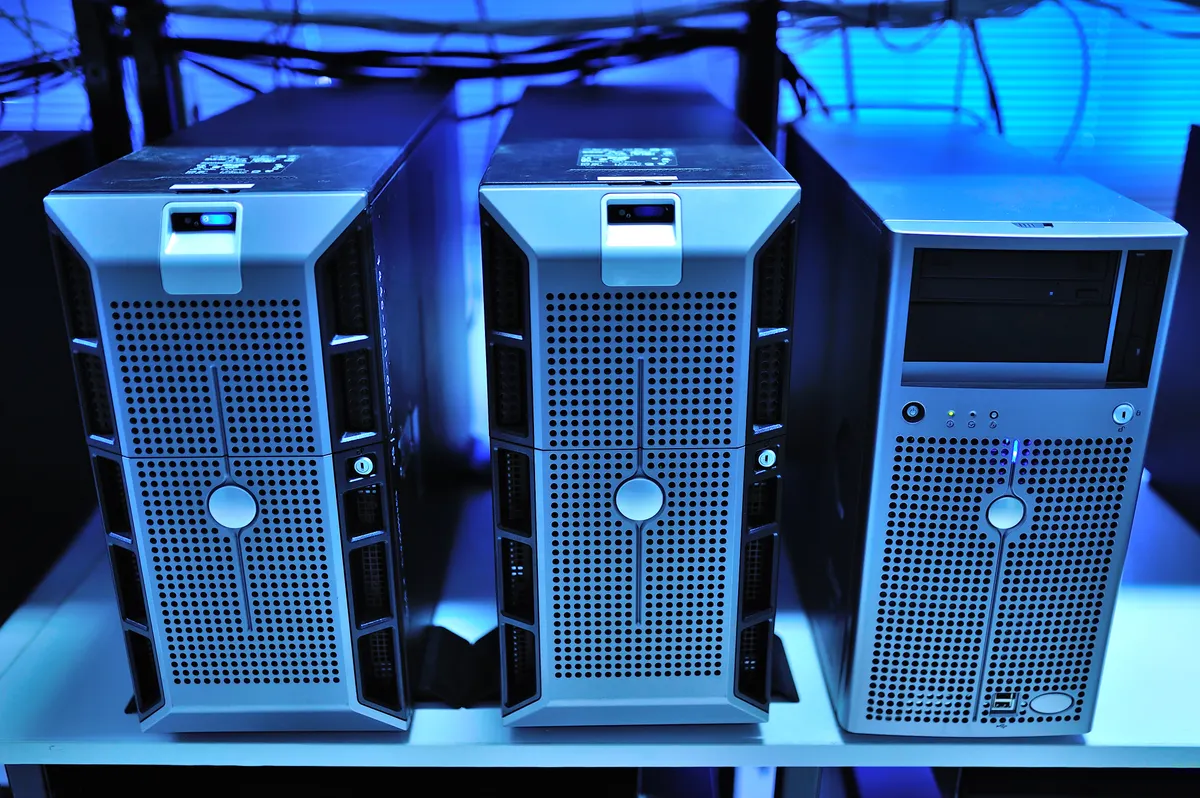
Crypto treasury ETH sales took a transactional turn on 30 July, when Tokyo-listed Quantum Solutions and Nasdaq-listed Hyperscale Data each redirected digital-asset holdings toward AI infrastructure, using two structurally different approaches.
Quantum Converts ETH to Cash, Then Hits a Collateral Wall
Quantum’s subsidiary GPT Pals Studio sold 1,000 ETH at $1,903 per token, generating $1.903 million after fees. The company expects to book a $100,970 loss (roughly ¥17 million) because the sale price fell below its 31 May carrying value of $2,003.97 per ETH. That accounting loss is measured against the carrying value, not the original acquisition cost.
The July disposal followed a 16 June sale of 904 ETH for approximately $1.61 million. Combined, the two transactions raised roughly $3.51 million and cut Quantum’s ETH balance from 6,668.8 to 4,764.8 ETH, a reduction of about 28.6%.
Quantum’s board passed a written resolution on 30 July raising the cumulative ETH sale authorisation from 1,875 ETH to 4,375 ETH, according to BeInCrypto reporting via Yahoo Finance. The previous ceiling had left only 971 ETH available after the June sale, making the additional 2,500 ETH capacity the practical enabler of any further disposals through October 30. The filing states that the higher ceiling does not constitute a decision to sell the full amount; future transactions will depend on ETH prices and funding needs.
Quantum’s Crypto Treasury ETH Sales Leave a Collateral Puzzle
Of the remaining 4,764.8 ETH, 3,050 ETH has been pledged as collateral to a Singapore-based lender since April, per BeInCrypto. Another 1,714.8 ETH sits in GPT Pals’ trading account. The lender has not been publicly identified.
The unused authorisation of 2,471 ETH exceeds the freely held trading balance by 756.2 ETH. Selling the full authorised amount would therefore require either releasing the pledged collateral, sourcing additional ETH, or some other arrangement. Quantum has not announced plans for any of those steps.
The sales have also reshuffled Japan’s listed ETH rankings. Def Consulting reported 4,976 ETH as of 30 June, which is 211.2 ETH more than Quantum’s post-sale balance. Quantum had been the largest listed Ethereum holder outside the US after accumulating rapidly in October 2025; those two disposals appear to have ended that position, though the balances carry different reporting dates.
Proceeds are earmarked for data centre contracts, GPU equipment and preparatory work on Quantum’s AI data centre business. In June, the company signed a nonbinding memorandum of understanding with Hong Kong-based Integrated Capital on financing cooperation for a Japanese facility, with a proposed focus on NVIDIA B300 and GB300 GPU infrastructure. Specific investment amounts and implementation timing remain undecided.
Hyperscale Sells BTC and Borrows Against the Rest
Hyperscale Data took a different route: it monetised approximately 100 BTC and simultaneously established a Bitcoin-backed credit facility carrying an expected variable interest rate of 4.5% to 5%. Management described the combined approach as ‘an attractive means of sourcing low-cost capital while preserving ownership of a substantial portion of the Company’s Bitcoin treasury,’ per the company’s Hyperscale Data press release.
The lender, borrowing limit, maturity and collateral ratio were not disclosed. Hyperscale had reported 1,106.0467 BTC on 27 July, valued at roughly $71.7 million. The snippet’s implied post-sale estimate of approximately 1,006 BTC is superseded by the company’s 8-K filing: as of 2 August 2026, Hyperscale held 959 BTC valued at approximately $60.8 million, per a StockTitan summary of the 8-K. The gap between 1,006 and 959 BTC suggests additional movements beyond the stated 100 BTC sale.
The Michigan campus spans approximately 60,000 sq ft with an initial 20 MW retrofit, a total estimated build cost of $100 to $120 million, and operations targeted for Q4 2026. The underlying customer agreement has a ten-year term with two optional five-year extensions; Hyperscale estimates the maximum term could produce more than $1.2 billion in revenue. An additional 32 MW option would, if exercised along with extensions, push the conditional revenue forecast above $3 billion. Those are forward estimates, not booked revenue.
Hyperscale launched its Bitcoin treasury strategy in September 2025, funded partly from the sale of Montana data centre assets, as disclosed in an SEC EDGAR filing. It also completed a $125 million at-the-market equity programme in November 2025, selling 255,490,454 shares of Class A common stock for gross proceeds of $125 million.
The two transactions illustrate a model that is spreading across crypto-linked infrastructure companies: digital-asset treasuries functioning as operating capital rather than passive store-of-value positions. For Quantum, the next hard deadline is 30 October, when its expanded ETH sale authorisation expires. For Hyperscale, the market is waiting on the credit facility’s full terms and confirmation that the Michigan campus delivers on its Q4 2026 target.

Shawon Hannan
Shawon Hannan is a crypto markets writer at CryptoNexa. He covers DeFi protocols, layer-1 and layer-2 development, staking and restaking economics, tokenomics and the on-chain data behind the day's headlines. His reporting focuses on mechanism rather than narrative: how a protocol actually works, where the risk sits, and what the flows show. He tracks exchange reserves, TVL, funding and governance activity, and treats every figure as something that has to be traceable to a chain, a filing or a named analyst. He writes on protocol upgrades, exchange and ETF flows, regulation and market moves.