SpaceX Q2 Earnings Beat Clears the Lock-Up Test, but SPCX Trails IPO Price

The SpaceX Q2 earnings beat consensus by nearly a billion dollars in revenue, but SPCX remains below its $135 IPO price as the market absorbs both a stronger-than-expected result and the first wave of lock-up share releases.
What the Numbers Actually Showed
SpaceX reported Q2 2026 revenue of $7.814 billion, up from $4.071 billion in the year-ago quarter and well ahead of the Wall Street consensus of approximately $6.88 billion, per the company’s official Q2 2026 earnings release.
The net loss narrowed to $541 million from $1 billion in Q2 2025. Yahoo Finance, citing FactSet, reports analysts had projected an aggregate net loss of $1.9 billion, meaning the miss in that direction was considerably smaller than feared. Adjusted EBITDA reached $3.5 billion, up 191% year-over-year.
Connectivity contributed $4.291 billion of Q2 revenue, confirming its position as the dominant segment. CNBC reports that for full-year 2025, the connectivity unit generated $11.39 billion in revenue, 61% of company-wide sales, and $4.42 billion in income, making it SpaceX’s only profitable business last year.
The SpaceX Q2 earnings beat came with a third material segment now large enough to matter. AI revenue reached $2,561 million in the quarter, up 248% year-over-year, per Leverage Shares post-earnings analysis. On the call, Elon Musk said he expects SpaceX to reach a $100 billion annualised revenue run rate by end-2026 and moved the company’s internal $1 trillion revenue target forward to 2030. Post-earnings analyst price targets range from $140 to $800, according to the same source.
SpaceX Q2 Earnings Beat Sets Up the $120 Test
The result did not immediately lift SPCX to new highs. Per TradingKey, the stock opened at an all-time low of $105 on 6 August (the first lock-up expiration date) before recovering to close up 2.6%, trading around $114 by the session’s end.
That day absorbed the release of up to 911.5 million Class A shares, per SpaceX’s SEC-filed prospectus, which specifies the tranche excludes affiliate holdings as defined under Rule 144. The context matters: the 639 million shares sold at the IPO were already a thin float. Axios reports the IPO raised $86 billion, and that up to 1.37 billion shares in total, including a conditional 455.8 million tranche contingent on SPCX closing at or above $175.50 for five of the 10 trading days through earnings, could hit the market in the aftermath. The price condition for that second tranche was not met.
CNBC reports the staggered schedule continues: the next release, on 9 September, could add up to 319 million further shares, per aggregator PurePowerPicks’ tracking of the lock-up structure.
Launch Pipeline Adds Baseline Visibility
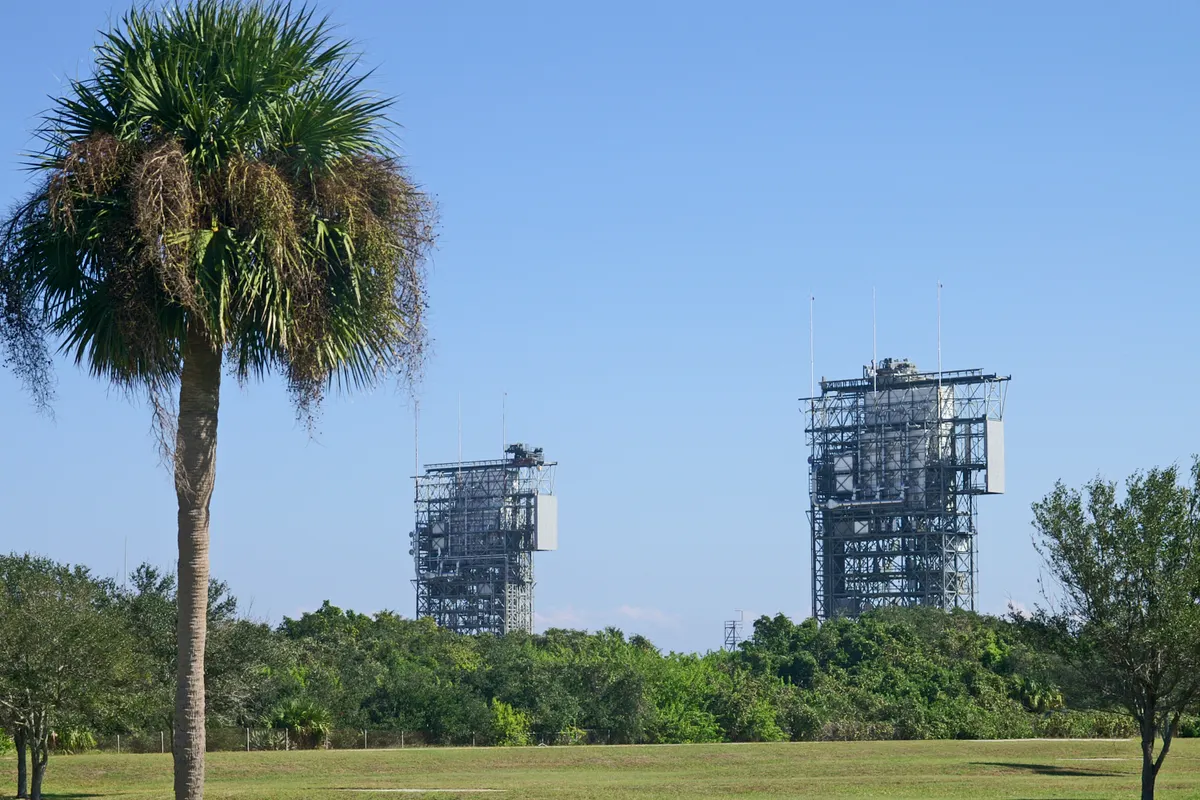
The launch segment entered results with fresh contract cover. Reuters reports SpaceX won a $1.6 billion US Space Force award on 29 July, covering 18 Falcon 9 missions under the National Security Space Launch (NSSL) Phase 3 Lane 1 programme. SpaceNews notes it is the largest publicly disclosed order under that programme, and that the Space Force raised the programme’s contract ceiling to $17 billion from $5.6 billion to reflect accelerating military launch demand.
Where SPCX Goes After $114
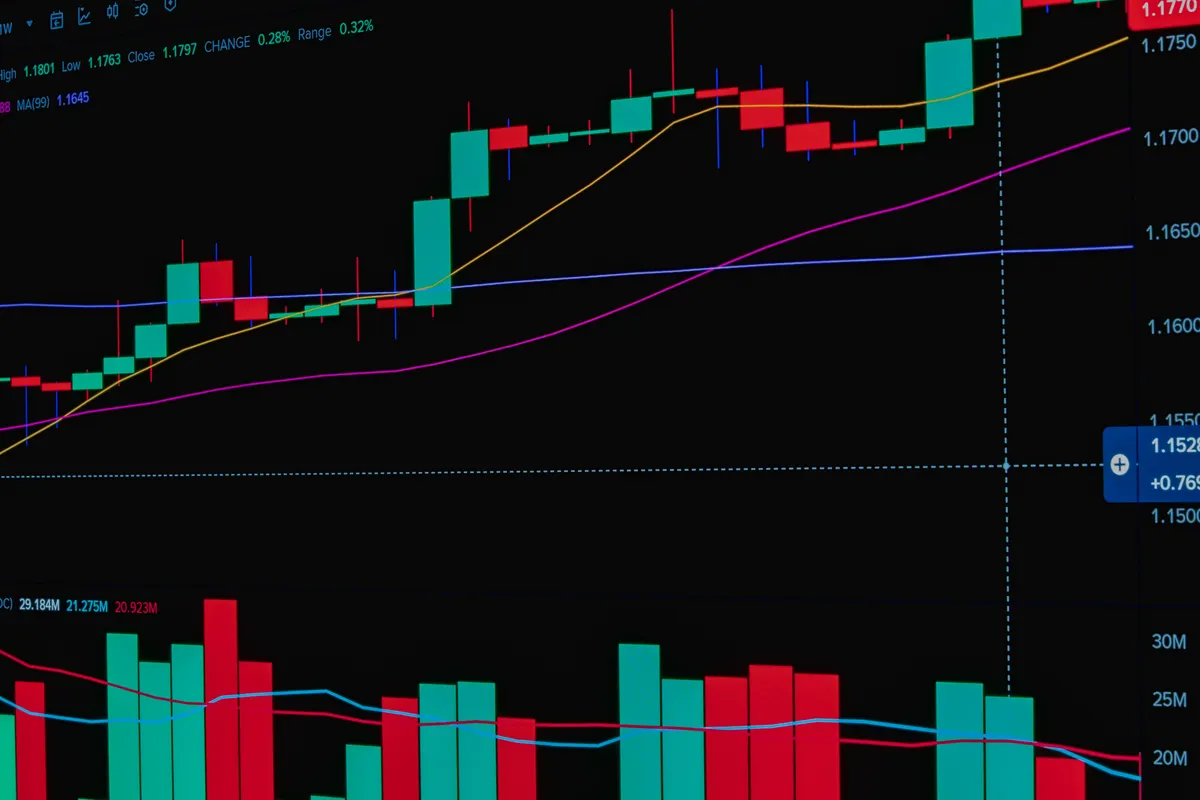
Before the earnings release, the 4-hour chart showed SPCX exiting a descending channel that had guided prices lower throughout July. The MACD line stood at minus 6.99, above its signal line at minus 7.80, with the histogram turning positive at 0.81, an early bullish crossover with both lines still below zero. The Average Directional Index stood at 32.82, confirming trend strength rather than providing directional guidance.
The technical sequence is straightforward: SPCX needs a sustained close above $120, which previously acted as short-term support before the late-July breakdown. Above that, the $127–$130 area represents the former descending channel’s upper boundary. A move through $130 opens the $140–$150 range, where sellers capped multiple July rebounds. On the downside, $104.85 is the first line; a close below $100 would invalidate the channel breakout and leave the stock without established historical support, given it has traded publicly for under two months.
The SpaceX Q2 earnings beat absorbed the first lock-up day without a collapse. The 9 September unlock is the next supply test. Whether the holders waiting for that tranche show similar restraint determines how much of Musk’s $100 billion run-rate projection the current multiple can actually carry.

Shawon Hannan
Shawon Hannan is a crypto markets writer at CryptoNexa. He covers DeFi protocols, layer-1 and layer-2 development, staking and restaking economics, tokenomics and the on-chain data behind the day's headlines. His reporting focuses on mechanism rather than narrative: how a protocol actually works, where the risk sits, and what the flows show. He tracks exchange reserves, TVL, funding and governance activity, and treats every figure as something that has to be traceable to a chain, a filing or a named analyst. He writes on protocol upgrades, exchange and ETF flows, regulation and market moves.