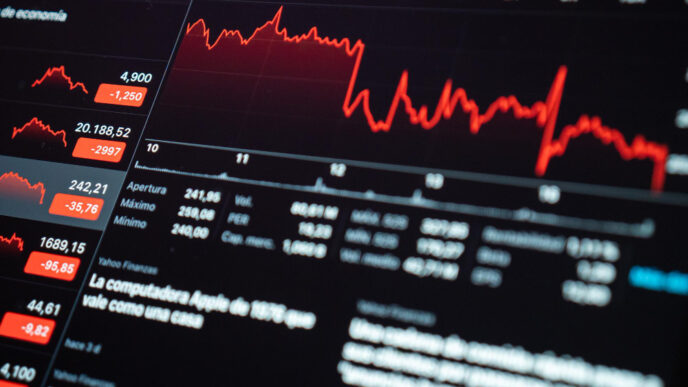
A tiny digital screen flickers with shifting numbers in the silent back corner of a Toronto jewelry store. When customers are looking at bracelets and necklaces, they most likely notice the gold shine before the price changes. However, those numbers, which change every few seconds, reveal information about the state of the world economy, investor anxiety, and occasionally basic human instinct.
Based on live spot market estimates, the price of pure 24-karat gold in Canada is currently about CAD $7,037 per ounce, or about $226 per gram. It’s a small change. However, observing those figures rise over several months indicates a more significant development. Gold has been steadily increasing in value.
For an asset that is frequently characterized as slow and steady, prices in Canadian dollars have increased by over 60% in the last year alone. It seems as though traders have subtly returned to the metal they once considered uninteresting when strolling through financial districts from Toronto to London.
| Category | Information |
|---|---|
| Commodity | Gold (XAU) |
| Market Type | Global Precious Metals Market |
| Current Approx. Spot Price | Around CAD $7,037 per ounce |
| Price Per Gram (24K Approx.) | Around CAD $226 per gram |
| Trading Symbol | XAU/CAD |
| Major Trading Hubs | London, New York, Zurich |
| Reference Website | https://goldprice.org |
There has always been an emotional weight to gold. Coins, bars, and jewelry made of the same bright metal were used by civilizations to store wealth long before digital currencies and stock tickers. That past is still present. Investors frequently reach for gold when uncertainty enters the room, even in this day and age when algorithms rule markets. That instinct appears to be reflected in the most recent rise.
Upon closer inspection, the price chart shows a gradual increase rather than an abrupt spike. The nearly 40% increase in Canadian gold prices over the last six months points to a deeper trend than mere speculation. Investors seem to be taking a cautious stance, either because they are diversifying away from more volatile assets or because they anticipate economic turbulence.
As Asia ends its trading day, New York trading desks keep an eye on the London bullion market on a normal morning in international markets. Dealers talk about geopolitical headlines, interest rates, and currency strength, all of which have the potential to move the metal higher or lower. On certain days, the change is hardly perceptible. On other days, big institutional buyers intervene, causing the price to spike sharply. The atmosphere has been subtly bullish lately.
Inflation is one explanation that analysts frequently bring up. Many investors are still doubtful that inflation will completely decline, despite central banks’ efforts to curb price increases. In the past, gold has served as a hedge against that worry by maintaining its value when currencies decline. The picture isn’t totally straightforward, though.
Dividends are not paid on gold. It doesn’t produce quarterly revenue or earnings reports. In essence, gold ownership is a wager on scarcity and confidence, or the conviction that gold will remain valuable to others. Because of this, its price fluctuations are influenced by fear, optimism, and sometimes abrupt market panic.
Global investors appear to be hedging their bets rather than celebrating the metal’s recent rally.
Central bank purchases are another mechanism that subtly supports prices. National banks all over the world have added thousands of tons of gold to their vaults over the last few years. The logic seems simple: gold provides a type of financial independence independent of any one nation’s currency.
Many inexperienced investors might not be aware of how significant that trend is.
Rows of gold bars are stacked like bricks inside vaults beneath central banks, which are rarely visited by the public. Because each bar weighs roughly 400 ounces, moving one calls for careful balance and both hands. Even though those bars now serve as the foundation for contemporary financial strategies, it’s difficult to ignore the almost medieval feel of it. However, the allure of gold goes beyond trading desks and vaults.
Jewelry stores still sell coins, bracelets, and rings made of the same metal in Canadian cities. Gold isn’t a hedge against inflation or currency risk for a lot of buyers. It’s a sentimental item, such as a wedding present, a family heirloom, or a generation-old custom.
The larger market is subtly supported by those smaller purchases. Investors who are keeping an eye on the price of gold today are still wondering how far this rally can go.
According to some analysts, if there is ongoing economic uncertainty worldwide, the metal may continue to rise. Others caution that the increase may eventually be slowed by high interest rates or a strong US dollar. As usual, the truth is most likely somewhere in the middle.
It moves gradually until it stops. Everyone wants to know why the charts suddenly look different. As of right now, the figures on that tiny jewelry store screen are still fluctuating, rising and falling slightly to represent the emotions of traders strewn across continents.
One gets the impression from watching it happen that gold still has an odd influence on financial markets.
Not because it’s contemporary. However, it never ceased to be ancient in many respects.