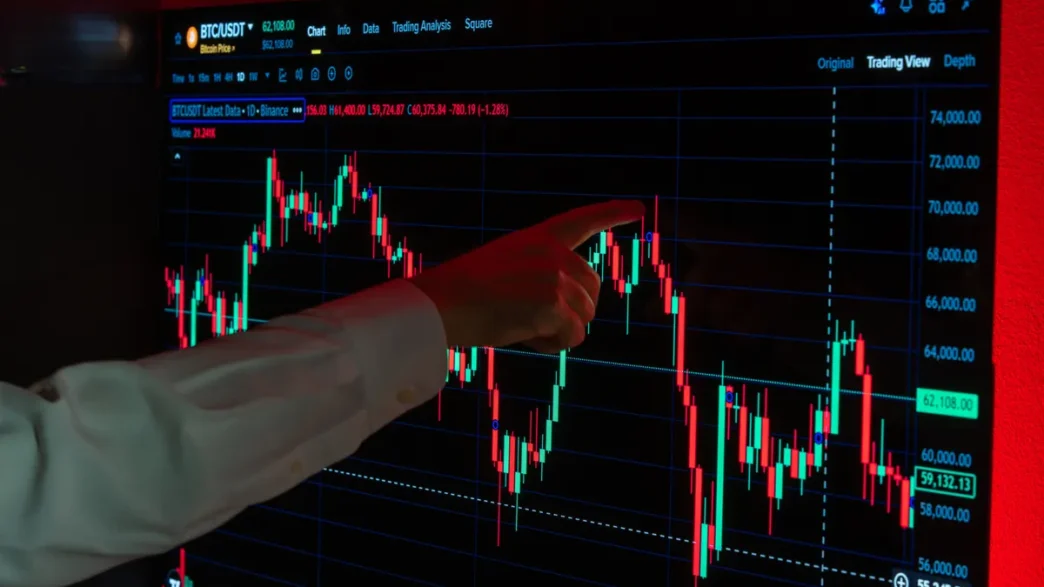
Bitcoin short liquidations reached $3.1 billion across 19–20 August 2026, as BTC/USD pushed to a local high of $71,992 on Bitstamp, according to CoinGlass data cited by CoinDesk. Traders who had been short Bitcoin for six weeks were forced to buy back at a loss, with shorts accounting for roughly 92% of all liquidations across the two-day squeeze.
Bitcoin Short Liquidations: The Numbers in Context
CoinDesk reports that nearly $2.7 billion in short positions were wiped in the 24-hour window ending 20 August, across 172,108 traders, against approximately $257 million on the long side. Yahoo Finance, citing CoinGlass, put the Aug. 19 single-day short liquidation figure at $1.74 billion, a narrower window than CoinDesk’s reported total; CoinDesk’s broader ~$2.7 billion figure covers the full two-day period.
Bitcoin accounted for just over half the two-day total at roughly $1.65 billion in short liquidations. Ether was the second-largest contributor at approximately $1 billion, per Yahoo Finance citing CoinGlass.
For historical framing: the Aug. 19 single-day short liquidation tally was the second-largest on record, surpassed only by $2.47 billion in shorts wiped on 10 October 2025, per CoinDesk citing CoinGlass records going back to 2021. That October event was itself a fraction of the total chaos on that day: the same session produced around $19 billion in combined liquidations when longs are included, per CoinDesk. The snippet had characterised the combined long liquidation cascade following Bitcoin’s all-time high of $126,200 as $20 billion; CoinDesk’s sourced figure from CoinGlass records is $19 billion. Earlier in 2026, a February selloff produced roughly $2.5 billion in BTC liquidations alone, per the Bitcoin Foundation citing CoinGlass.
The Treasury Catalyst and What the Bond Market Did
The trigger for Wednesday’s price spike was a US Treasury liquidity support buyback operation covering nominal coupon securities in the 3-year to 5-year maturity bucket, with a maximum purchase amount of $4.0 billion, settling 21 August 2026, per the CME Group Econoday record of the preliminary announcement.
That operation was part of a broader escalation. The US Treasury separately announced it would at least double the size of buyback operations for longer-dated nominal coupon securities in the 10-year to 30-year sector, raising the maximum per-operation size from $2 billion to at least $4 billion, effective 9 September through 4 November 2026.
Bond markets registered the intervention immediately. The 30-year Treasury yield closed at 5.19%, a 9 basis point rally on the day, while the 10-year yield settled at 4.65%, down 6 basis points from intraday wides, according to TwentyFour Asset Management. TwentyFour also noted that Treasury Secretary Scott Bessent had previously attempted to stabilise the Japanese yen in preceding weeks and is ‘quickly gaining a reputation for intervening in markets.’
Whether the crypto bid holds is a separate question. TwentyFour’s view is that the intervention is unlikely to provide lasting support to broader risk assets.
Short-Term Holders Pocket Gains as Cost Basis Clears
On the spot side, short-term holders (wallets holding a UTXO for under 155 days) sent a record 43,300 BTC in profit to exchanges on 20 August, their largest profit-taking move of 2026, per on-chain analytics platform CryptoQuant.
The spent output profit ratio (SOPR) for the short-term holder cohort stood at 1.01 as of 20 August, its highest reading since April. A SOPR above 1.0 means the majority of coins in this cohort’s UTXOs moved at a higher price than their previous transaction, confirming realised gains rather than panic selling.
Context: the STH cohort’s aggregate cost basis, also known as the STH realised price, sat at $68,700 ahead of the move. Analysis from Cointelegraph had flagged this level as a potential resistance point, where holders previously underwater would be incentivised to exit. The price clearing $68,700 and pressing toward $72,000 gave that cohort the exit they had been waiting for since at least June.
The next test is whether the spot bid can absorb the selling pressure from those 43,300 BTC hitting exchange order books. If Treasury intervention fades as a narrative driver, the STH cost basis at $68,700 becomes the level to watch on any retracement.