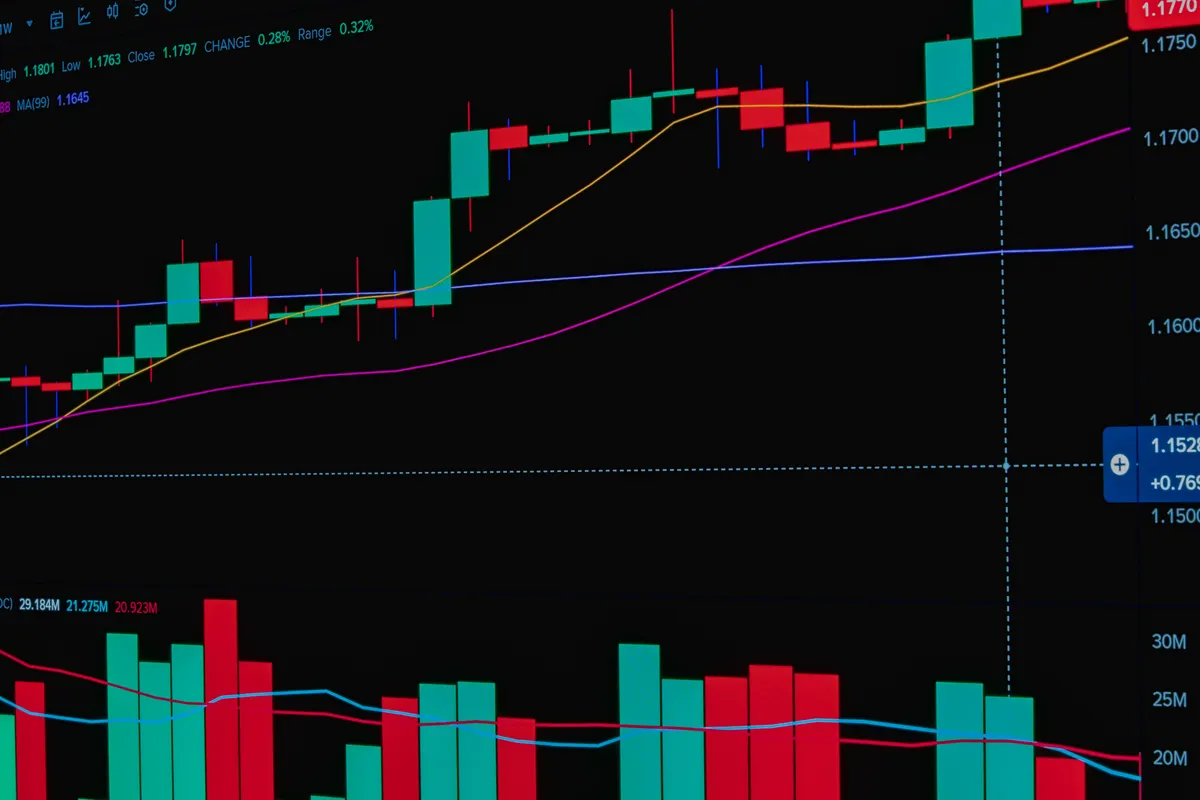
Kalshi DoubleZero Data Feed Goes Live on Institutional Fibre Network

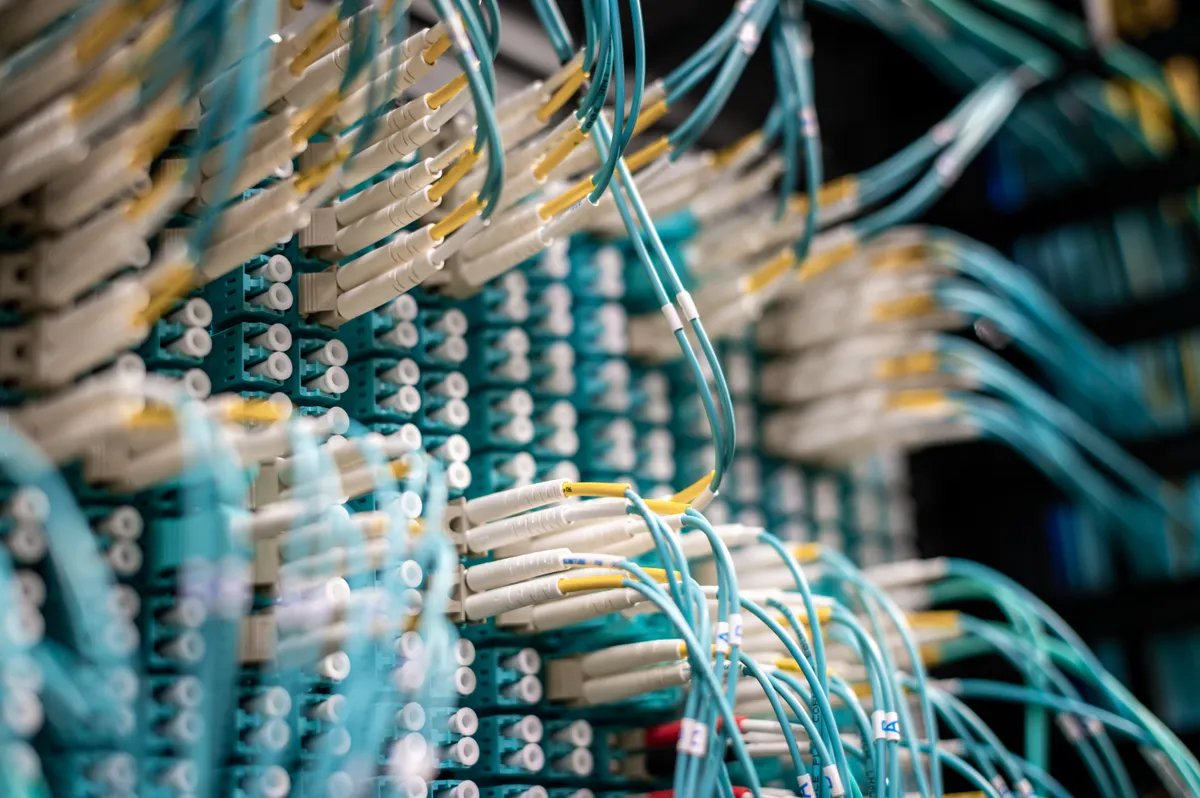
The Kalshi DoubleZero data feed is now live, marking the first time a prediction market has distributed real-time order book data through a dedicated institutional fibre network. DoubleZero Edge subscribers can access both Level 1 data (top-of-book bid and ask prices plus completed trades) and Level 2 data (full depth of the order book across all price tiers), covering Kalshi’s sports event contracts and crypto perpetuals.
For participants who would otherwise have to reconstruct this picture themselves from raw order books and API responses, that is a non-trivial infrastructure shortcut.
What the Kalshi DoubleZero Data Feed Actually Delivers
DoubleZero Edge runs on a multicast architecture: one transmission reaches every subscriber in a region at roughly the same moment, requiring orders of magnitude less bandwidth from the sender and the network compared with point-to-point distribution. That matters for latency-sensitive strategies where milliseconds between participants translate into execution edge.
Historical data is planned for a later release. The feed has already been extended beyond its initial sports and crypto perpetuals scope: DoubleZero’s Kalshi product page now lists Elections and Politics order book (Level 2) data, timed ahead of election season.
Andy Ross, Kalshi’s Head of Institutional, said in the joint release: ‘The firms participating on Kalshi today are increasingly the same top-tier names as those in traditional markets. By making our market data available over DoubleZero Edge, we’re meeting them where they are.’
Austin Federa, co-founder of DoubleZero, framed the gap more bluntly, arguing that data infrastructure has been absent from new financial paradigms including crypto, perpetuals and prediction markets, and that the integration is intended to close that gap for institutional participants.
Sports and Crypto Volumes Driving the Institutional Case
The category split on Kalshi underlines why institutional data demand is landing here. According to Dune data cited at launch, exotics account for 39.4% of weekly notional trading volume, sports ranks second at 37.8%, and crypto sits third at 20.3%. Sports alone is close to four-tenths of the book, which is precisely the category under the most legal pressure.
Kalshi self-certified several sports-event contracts on 22 January 2025 and began listing them on its exchange, covering outcomes such as which teams advance in the NCAA College Basketball Championship or who wins the US Open Golf Championship, according to a Paul Weiss analysis via the CLS Blue Sky Blog. The core jurisdictional question is whether those contracts are CFTC-regulated derivatives or state-regulated wagers.
Regulatory Pressure Mounting Across Multiple Jurisdictions
The legal map is messy. In Michigan, Ingham County Circuit Court Judge Rosemarie Aquilina issued a temporary restraining order on 29 June blocking Kalshi from allowing residents to place bets on sporting events, with a fine of $120,000 per day for non-compliance with geolocation requirements, according to Reuters. That order has since expired. The Commodity Futures Trading Commission (CFTC) instructed Kalshi to continue fulfilling open trades regardless, on the basis that federal regulations prohibit prediction markets from treating customers differently based on location, per Yahoo Finance.
Nevada implemented its own court-ordered ban earlier in the year. A similar injunction in Massachusetts was put on hold while Kalshi pursued an appeal.
Kentucky’s attorney general sued Kalshi, Polymarket, and online casino platform VGW, alleging violations of the state’s consumer protection and gambling laws, per the Kentucky Attorney General’s office. Kentucky’s suit also alleges that Coinbase partnered with Kalshi to help operate unlicensed sports gambling and shares fees on those bets, according to Spectrum News 1.
Baltimore has filed its own lawsuits against Kalshi and Polymarket, alleging they operate illegal, unlicensed sports gambling services in violation of the city’s consumer protection ordinance, WBAL reports. The CFTC has separately sued several states, arguing that federally regulated event contracts fall under its exclusive authority.
The infrastructure play and the legal fight are moving in parallel. Kalshi is building out institutional-grade data distribution while nearly a third of its order book by category sits in contracts that multiple state authorities are actively trying to shut down. The CFTC’s posture has so far kept Kalshi operating, but the Third Circuit’s ruling on exclusive federal jurisdiction is the binary that determines whether the sports book stays open at all.

Shawon Hannan
Shawon Hannan is a crypto markets writer at CryptoNexa. He covers DeFi protocols, layer-1 and layer-2 development, staking and restaking economics, tokenomics and the on-chain data behind the day's headlines. His reporting focuses on mechanism rather than narrative: how a protocol actually works, where the risk sits, and what the flows show. He tracks exchange reserves, TVL, funding and governance activity, and treats every figure as something that has to be traceable to a chain, a filing or a named analyst. He writes on protocol upgrades, exchange and ETF flows, regulation and market moves.