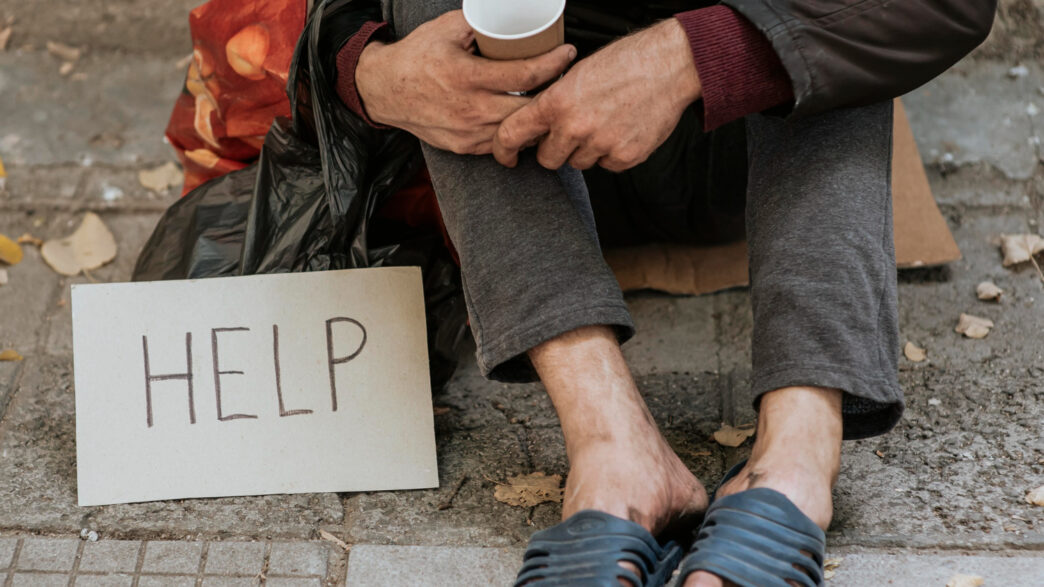
George Zimmerman claims to be homeless. He now says he is without stable employment, without permanent housing, and still attempting to regain his peace of mind after years of media attention, legal disputes, public outcry, and inconsistent public appearances.
The image is especially startling: the man who was allegedly at the center of one of the most significant legal arguments in American history is now said to sleep wherever he can. The effects of his decisions persisted even as public attention diminished.
| Full Name | George Michael Zimmerman |
|---|---|
| Born | October 5, 1983 – Manassas, Virginia, USA |
| Known For | Shooting of Trayvon Martin in 2012, acquitted in 2013 |
| Legal Status | Acquitted of second-degree murder |
| Recent Status | Reportedly homeless, unemployed, mentally distressed |
| Last Public Statement | Struggling to find peace and employment |
| Source | Wikipedia – George Zimmerman |
Zimmerman has reportedly moved away from the news stories that made him famous in 2012. Since then, the majority of his public appearances have involved aggressive commentary, courtroom drama, and attempts to profit from his notoriety. However, reports that depict a more muted and lonesome image—one that shows a man struggling with the aftershocks of fame—have surfaced again on Facebook, Instagram, and Threads in recent days.
Zimmerman is portrayed in a number of recent videos as “broke and homeless,” unable to find work, and extremely disturbed by the unrelenting public animosity. Robert Zimmerman Jr., his brother, acknowledged that his sibling has been emotionally strained for a long time, calling him “traumatized” by years of conflict and social exile. These remarkably consistent reports have thrust him back into the public eye online, but for reasons that have nothing to do with political discourse or legal disputes.
Zimmerman rarely made an effort to quietly withdraw from public discourse in the years after his 2013 acquittal. The gun used in the Trayvon Martin shooting was sold by him. His political paintings were criticized harshly. Conflicts with romantic partners plagued him, and he was arrested several times on domestic violence charges that were eventually dropped. He hardly ever came back to establish trust or look for a solution. It was done to agitate, provoke, or make money.
This latest chapter, however, is unique. Instead of performance, it implies vulnerability. According to reports, Zimmerman’s remarks mostly focus on his feelings of loneliness and insecurity. He attributes his inability to rebuild his life to the ongoing label of “villain.” To be honest, how you’ve seen him from the start will determine whether you think that’s a part of a bigger story change or just another self-serving ploy.
For millions of people, the death of 17-year-old Trayvon Martin is inextricably linked to Zimmerman’s name. A nationwide outcry sparked by the shooting and Zimmerman’s subsequent acquittal aided in the emergence of a larger racial justice movement. It was a turning point in the public discussion of laws pertaining to self-defense, community safety, and structural inequality.
Since then, Zimmerman’s efforts to defend his behavior have mostly been ineffective in changing public opinion. His detractors cite years of racist actions and divisive remarks. His few remaining supporters portray him as a man unable to avoid a trial he has already prevailed in. The truth, however, is more about the lingering effects of emotionally unresolved events than it is about which side prevails.
I’ve noticed a change in the way his story is being told over the last few days. Outrage and mockery are still present, but they are no longer the only things. Witnessing someone go from legal absolution to practical collapse is somewhat fascinating. Zimmerman may have escaped punishment, but he hasn’t found safety on the streets either.
Public repercussions have the power to change people, particularly when they last for ten years. They remove the performative certainty, exposing a person who is unquestionably diminished but may still be defiant. Some see it as poetic justice that Zimmerman is now dislocated and estranged. However, it also makes the discussion of what long-term accountability looks like without incarceration more difficult.
According to Zimmerman, he has made an effort to live a tranquil life. That assertion clashes with his post-trial provocations and social media presence, but people tend to contradict themselves when they feel trapped. He is one of the few defendants whose life continued to fall apart even after a court victory, regardless of whether one feels sorry for him because he is homeless.
He has not been pardoned by social media. Not even close. Posts criticizing his alleged financial hardship have actually gone viral, with some people laughing and others thinking. “The wages of sin is death,” said one user, while another questioned, “Isn’t this what consequence looks like?” These answers, which reflect a public that never saw the verdict as final, are as illuminating as the story itself.
Zimmerman was formerly a resident of a gated community. He now calls couch-surfing “routine” and says he can’t maintain a steady job because of safety concerns and public outrage. It’s easy to see why employers might be hesitant. The harm to his reputation is, for lack of a better term, extremely long-lasting, even if he is legally exonerated.
The deeper irony is that Zimmerman used to identify as a security advocate. He participated in a neighborhood watch. After witnessing a homeless Black man being beaten, he once testified against police brutality. However, the encounter with Trayvon Martin followed, bringing with it an ongoing narrative.
What followed seemed both predictable and oddly discordant to those of us who watched that moment intently. Despite his acquittal, Zimmerman was never hugged. Though not entirely accepted, he was defended. Eventually, those who had previously supported him became silent, either out of remorse or discomfort.
Zimmerman is currently living on the brink of public awareness. Still identifiable. Controversial still. but far from the storm’s epicenter.
This isn’t a tale of salvation. It’s also more than just a warning story. It’s more like a slow unraveling—a man who is now subtly displaced rather than outspokenly defiant.
Zimmerman’s current predicament raises a challenging question as America struggles with the aftermath of that 2012 shooting: Can someone who has been legally cleared ever overcome the moral burden left behind?