
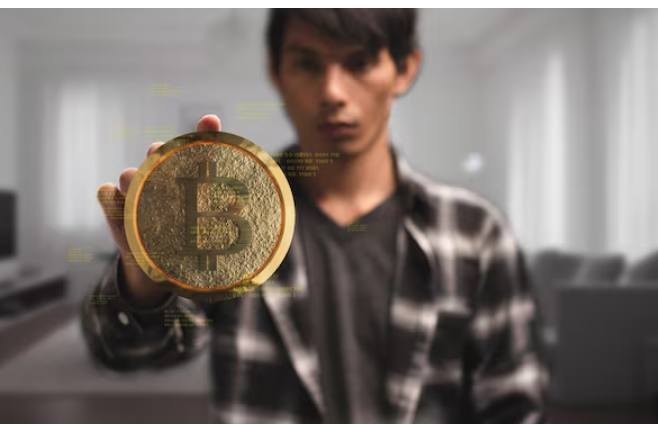
With over 1,600 students enrolled, Garfield High School in Seattle’s Central District, one of the city’s most illustrious public schools, started to evacuate its buildings at 2:00 on a Friday afternoon in early April 2026 after the principal received an anonymous email. Bombs were allegedly planted on campus, according to the email. It threatened to blow them up in two hours if the school didn’t send $1,600 in Bitcoin. or perhaps 1,600 Bitcoin, which is currently valued at more than $100 million.
At first, investigators from the Seattle Police Department were unable to determine which figure the sender truly intended—a detail that may indicate the degree of preparation involved in the demand. Nevertheless, the school was evacuated. Regardless of whether the ransom sum makes any operational sense, a threat is nonetheless a threat.
The building was swept by officers and school security. There were no explosive devices discovered. A handwritten message with unknown contents was discovered in a recycling container on the property. After a while, the school was cleared, employees and kids went back, and no one was arrested. From the outside, it appears to be a resolved event, the kind that briefly makes the local news before disappearing.
However, law enforcement verified what anyone following this pattern had already surmised: the threat posed by Garfield was not unique. It was a part of a well-planned extortion scam, and it was just one example of the documented surge of bomb threats demanding Bitcoin that have been targeting American schools so frequently that Homeland Security and the FBI have already opened special investigations into the operations.
The system is simple, and those in charge of it are already familiar with it. A school administrator’s account receives an anonymous email. It says a gadget has been planted. Citing the decentralized and potentially anonymous structure of Bitcoin as the means of transmission, it wants cryptocurrency. The school evacuates due to a perceived threat and a moral and legal duty to keep pupils safe.
Regardless of whether there was ever a real threat, the situation takes up the entire afternoon as hundreds or thousands of kids are withdrawn from school, parents are informed, and law enforcement reacts forcefully. There will undoubtedly be a disruption. It takes time to conduct the inquiry. If the sender masked their digital footprints, it might be impossible to identify them.
Because the “anonymous cryptocurrency” narrative oversimplifies things in significant ways, it’s important to be specific about Bitcoin’s participation in this. Unlike cash, which is private, Bitcoin transactions are recorded on a public blockchain. Bitcoin’s speed, borderlessness, and the time it takes for law enforcement to link transactions to a particular person—even with the resources at their disposal—make it appealing for extortion.
The evacuation has already taken place, the school day has been ruined, and the sender has had hours or days to transfer money between several wallets by the time tracing takes place. For a threat to be effective, it does not have to be genuine. The design is that.
In Seattle, Garfield High School has a unique history. Jimi Hendrix briefly attended the school, civil rights history was made there during the desegregation era, and the student body has long been among the most varied in the city. Whoever sent the email didn’t care about any of that. The school was targeted since it contained pupils whose presence could be exploited and an email address.
Observing this trend persist in spite of years of FBI attention and public warnings gives the impression that the gap between the speed at which these threats can be conveyed and the speed at which they can be thoroughly probed hasn’t closed and probably won’t. Somewhere on a list is the next school to receive one of these emails.