Crypto ATM Restrictions Tighten Across US States as Fraud Losses Surge

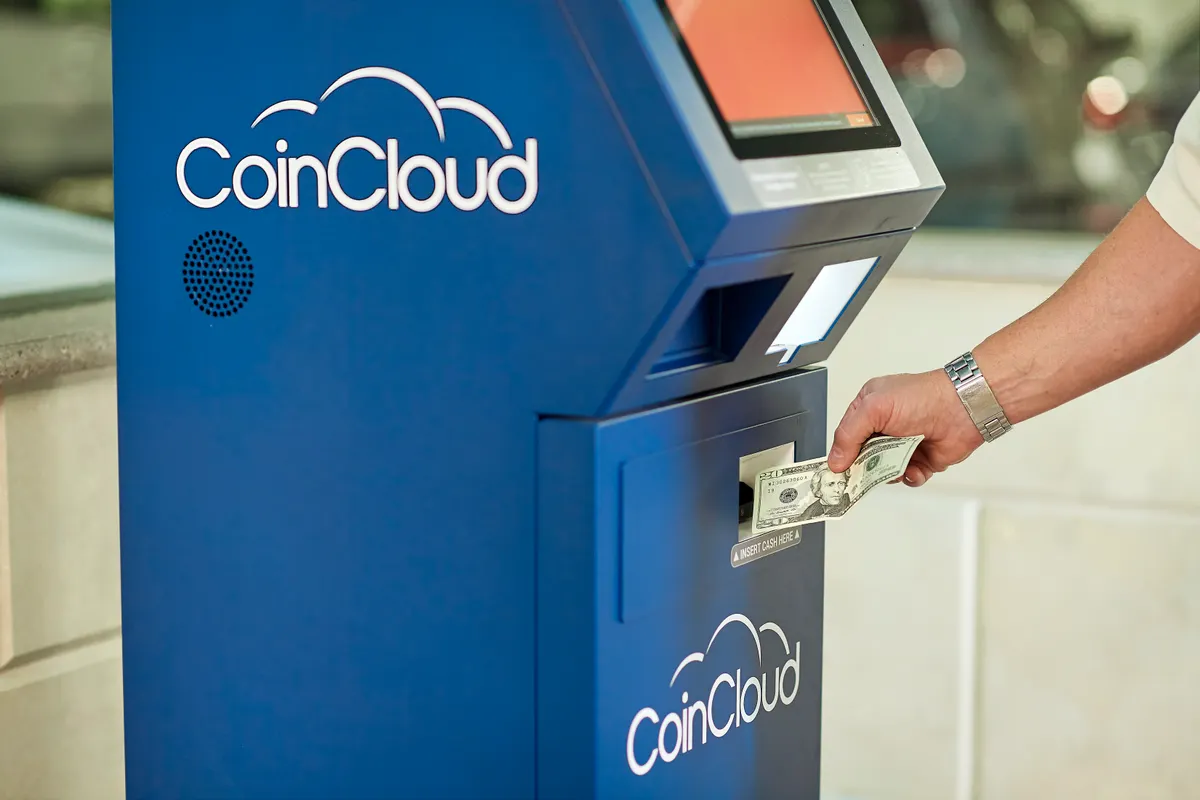
Crypto ATM restrictions took effect in Tennessee and Georgia on 1 July, adding two more states to a growing US patchwork of bans and compliance mandates that is beginning to reshape the economics of operating kiosk networks.
Tennessee went furthest: under legislation signed by Governor Bill Lee in April, installation and operation of cryptocurrency ATMs and kiosks is now prohibited across the entire state. Georgia kept the machines running but raised the bar for operators, requiring transaction caps, fraud warnings displayed before each transaction, and refund obligations for customers who can demonstrate they were deceived by scammers.
A Wave of State-Level Bans Taking Shape
The two states join Indiana, whose statewide ban came into force in March. Minnesota is scheduled to enforce its own prohibition from 1 August. Delaware and New Jersey have advanced legislation along similar lines, though neither has yet become law.
The direction of travel is consistent: legislators are treating crypto ATMs as a high-risk consumer interface rather than a neutral payments rail. Where some states are opting for outright bans, others are layering on compliance requirements that raise operator costs and reduce throughput.
For Bitcoin Depot, the Nasdaq-listed kiosk operator, the combined pressure proved terminal. The company filed for Chapter 11 bankruptcy protection in May, citing escalating regulatory requirements, litigation, and enforcement actions. It had previously flagged that shifting state rules could materially reduce revenue, and shut down its ATM network during the bankruptcy process.
The Fraud Numbers Behind Crypto ATM Restrictions
The legislative push is grounded in complaint data that has been worsening year-on-year. According to the FBI’s Internet Crime Complaint Center (IC3), US crypto kiosk complaints in 2025 reached 13,460, with reported losses topping $388.9 million. Those figures represent a 23% increase in complaint volume and a 58% increase in losses compared with 2024.
People aged 50 and over accounted for more than half of all complaints, which is why several state bills specifically include elder-fraud provisions. The IC3’s state-level breakdown shows the losses are distributed broadly: South Carolina recorded 225 complaints with $6.1 million in losses, while Nevada logged 221 complaints and $4.8 million in losses.
The crypto kiosk figures sit within a larger picture of cyber-enabled crime. The FBI’s 2025 IC3 Annual Report recorded more than 1 million total complaints of suspected internet crime, with reported losses across all categories exceeding $20 billion.
Canada Watching the Same Problem
The regulatory pressure is not confined to US states. The Canadian federal government earlier this year proposed a nationwide ban on crypto ATMs, describing the machines as a primary channel for scammers to extract cash from victims and process illicit funds. The proposal followed findings from the Financial Transactions and Reports Analysis Centre of Canada, which linked kiosk networks to recurring fraud schemes.
The Canadian proposal remains at the legislative stage, but the framing mirrors what US state lawmakers have been arguing: that the consumer harm is systematic rather than incidental, and that voluntary industry standards have not been sufficient.
With Minnesota’s ban activating on 1 August and Delaware and New Jersey proposals still moving, the number of states running active crypto ATM restrictions is set to keep rising through the second half of 2025. Operators still active in permissive states will be watching whether the Georgia compliance model, or the outright Tennessee prohibition, becomes the preferred template for the next wave of legislation.

Sammie Heid | Cryptonexa
Sammie Heid is an Austin-based crypto journalist covering DeFi, NFTs, and on-chain analysis. Independent reporter since 2019. UT Austin '18. Luna survivor.