Bitcoin ETF Outflows in June Deepen as BTC Slides Below $59K

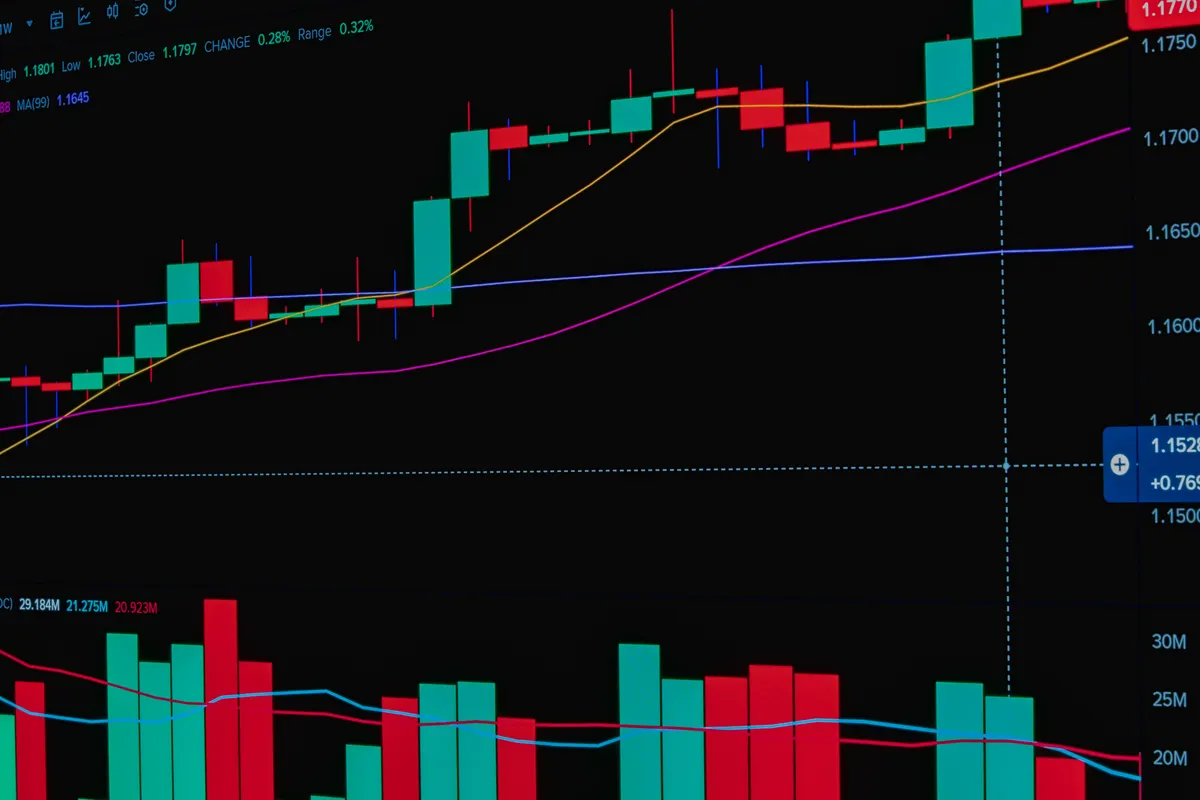
Bitcoin ETF outflows in June reached $4.5 billion, the worst monthly figure since the US spot products launched in January 2024, and the damage is showing up on the chart: BTC traded near $58,700 at the close of the month, down roughly 1.2% on the session and within reach of the $58,000 support zone traders have been watching all month.
Bitcoin ETF Outflows Break Monthly Record
According to SoSoValue data cited in the original reporting, June’s Bitcoin ETF outflows in June surpassed the previous monthly record of $3.48 billion set in February 2025 by roughly 29%. The funds added another $222.6 million in net outflows on 30 June alone, capping a nine-day losing streak.
BlackRock’s iShares Bitcoin Trust ETF (IBIT), listed on the Nasdaq and sponsored by iShares Delaware Trust Sponsor LLC, accounted for the largest single-fund share: roughly $3.55 billion left the product over the month. For context, Reuters reported that IBIT’s largest single-day withdrawal on record before June was $523 million on 19 November 2025, per data from Farside Investors. June’s sustained bleed is a different order of magnitude from a single-session print.
According to IBIT SEC filings summarised by StockTitan, the trust held 783,744 BTC with a fair value of $53.4 billion and 1,382,480,000 shares outstanding at quarter-end, with NAV per share at $38.62, down from $49.61 in the prior period. The quarter-end date for those figures is not specified in the source.
June’s outflows also followed a record 13-day outflow streak from 15 May to 3 June, during which approximately $4.37 billion left the spot ETF products. ETF flow has effectively become the dominant short-term demand signal for BTC price action in 2026. Yahoo Finance previously reported that an earlier streak, following October’s crypto-market liquidation, saw over $2.7 billion withdrawn across five weeks, with Glassnode describing it as ‘a clear reversal from the persistent inflow regime that supported price earlier in the year.’
200-Week Average Closes and What Comes Next
BTC also posted its first weekly close below the 200-week moving average since 2023, per a Barchart post on X. Historically, sustained breaks below that level have clustered around deep cycle lows or prolonged accumulation phases. The more immediate support sits at $58,000; a clean loss of that zone puts $50,000 on the map, close to Bitcoin’s August 2024 low near $49,445.
Analyst Rekt Capital noted on X that BTC has deviated roughly 16% below its 2021 all-time high, edging toward the 22% deviation below the 2017 peak that characterised the 2022 bear market. Analyst Matthew Hyland took a less bearish read: ‘If this ends up holding then those who called it a mid-cycle correction will be vindicated,’ he said on X, drawing comparisons to the 2019 and 2021 mid-cycle drawdowns rather than full bear markets. Daan Crypto Trades added on X that ‘BTC has barely seen any massive liquidation events this cycle, relative to its last cycle,’ attributing the slower, more controlled price action to lower open interest and reduced speculation.
To turn the chart structure positive, BTC needs to reclaim both the 30-day and 200-day moving averages, which were well above spot price through the June selloff. That is a material recovery, not a one-session bounce.
Accumulation Beneath the Surface
CryptoQuant’s XWIN Japan flagged a split in June market behaviour. The Coinbase Premium Index stayed negative throughout the month, confirming weak US institutional spot demand, and apparent demand remained deeply negative. On the other side of the ledger, long-term holders kept their positions, and whale accumulation held up despite short-term panic selling in the market.
SpaceX adds a separate dimension to the macro picture. CoinDesk reported that SpaceX’s S-1 IPO filing with the SEC disclosed 18,712 BTC at a fair value of $1.29 billion as of 31 March. Investing.com noted the position exceeds Tesla’s BTC holdings and came in far above prior outside estimates. The $75 billion IPO raise, however, competes directly for risk capital, and some of the near-term liquidity that might otherwise rotate into BTC has likely been absorbed by the listing process.
That dynamic leaves the market in a familiar bind: corporate-treasury accumulation and long-term holder conviction pointing one way, while ETF outflows, negative Coinbase Premium, and a broken 200-week average point the other. The next read on whether spot demand is rebuilding will come from ETF flow data in the first week of July. A three-session reversal into net inflows would be the minimum the chart needs to start building a base near $58,000.

Sammie Heid | Cryptonexa
Sammie Heid is an Austin-based crypto journalist covering DeFi, NFTs, and on-chain analysis. Independent reporter since 2019. UT Austin '18. Luna survivor.