SpaceX Nasdaq-100 Inclusion Triggers $4.3bn QQQ Buy as Float Stays Thin


The SpaceX Nasdaq-100 inclusion, scheduled for the open on 7 July, is set to force at least $4.3 billion in compulsory purchases from QQQ alone, with total passive inflows across all Nasdaq-100 tracking funds potentially reaching $27 billion, according to a LinkedIn news summary citing Reuters. The JPMorgan $4.3 billion figure referenced in most coverage applies specifically to the Invesco QQQ Trust; the broader tracker universe could dwarf it.
SpaceX traded around $157.62 on Monday, down roughly 2.7%, still holding above the $155 support level traders are watching ahead of the rebalancing event.
What the SpaceX Nasdaq-100 Inclusion Actually Costs Index Funds
The scale of forced buying is a direct consequence of Nasdaq’s revised index methodology, which took effect on 1 May 2026. Under the updated framework, companies whose market capitalisation ranks within the top 40 members of the Nasdaq-100 become eligible for index inclusion within 15 trading days of their IPO, collapsing what had been a roughly three-month seasoning requirement.
SpaceX qualifies comfortably under that threshold and is entering the benchmark only weeks after its public market debut in June, a timeline that previously would have taken far longer.
Nasdaq described the rule change as, in the words of Emily Spurling, Global Head of Index at Nasdaq Global Indexes, ‘a measured response to structural shifts in public markets, while preserving the index’s core objective of being representative of 100 of the largest Nasdaq-listed non-financial companies,’ per the Nasdaq newsroom.
SpaceX is not alone in benefiting from the accelerated process. According to a Nasdaq explainer on fast-track IPO rules, three of the five major US index providers proposed similar fast-track processes in 2026; two were approved, Nasdaq and Russell. On 4 June, the S&P declined to update its rules for the S&P 500, which means SpaceX will not fast-track into that index under an equivalent mechanism.
A Thin Float and a Net Loss That Index Buyers Are Ignoring
The structural tension here is straightforward. Elon Musk and other insiders retain a large share of SpaceX’s equity, leaving a constrained public float. When index funds compete for the same limited pool of shares during the rebalancing window, price swings in either direction become easier to trigger.
An SEC comment letter filed in response to the methodology amendments (File No. SR-NASDAQ-2026-004) pressed this point directly. The letter argued that the fast-entry rule eliminates price discovery by removing the seasoning period that allowed newly listed securities to build credible trading history and liquidity, and contended that a proposed 5x float multiplier ‘artificially inflates index weights and creates exit liquidity for insiders,’ according to the SEC comment record. That represents public opposition views, not the SEC’s or Nasdaq’s position.
Qz.com, citing Reuters, reported that SpaceX recorded a net loss of $4.94 billion in a recent period, the precise timeframe not specified in available reports. Index inclusion does not require profitability, but the figure is a reminder that passive flows are buying a company whose fundamentals remain in heavy investment mode.
Under the Nasdaq-100 Index methodology, newly added constituents are subject to ongoing eligibility requirements, so the inclusion is not unconditional beyond entry.
Price Levels to Watch Through the Rebalancing
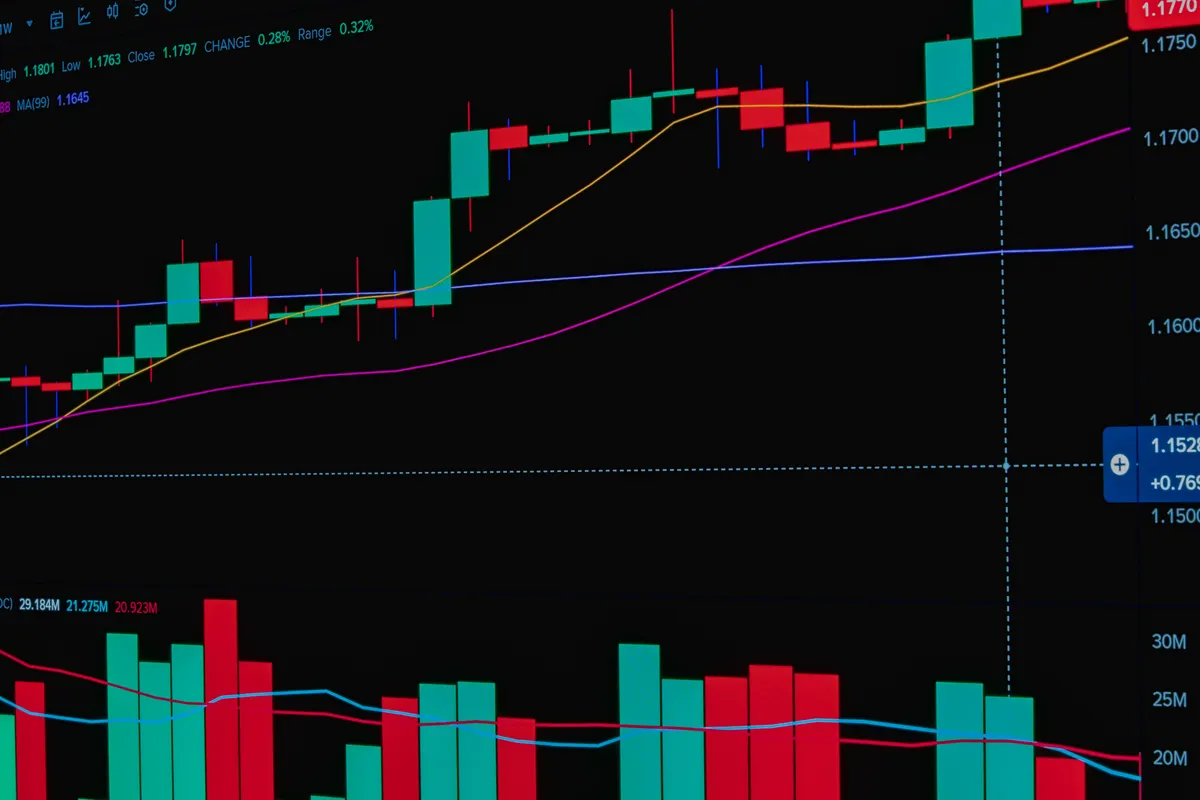
From current levels, the near-term sequence is mechanical. A reclaim of $160 would signal buyers regaining short-term control; if volume confirms the move, $165 comes into view before any attempt at $170. A sustained hold above $170 opens the path toward $180, which is where broader bullish momentum would begin to build a case.
The downside scenario is equally straightforward. A break below $155 exposes $152, and heavier selling could push toward $150. The passive buying wave provides a one-time demand pulse, not a floor: once index funds complete their rebalancing, price action reverts to ordinary supply and demand dynamics against a stock that remains loss-making and closely held.
The binary for the week is whether forced buying absorbs enough of the float to carry the stock cleanly above $160 before the mechanical bid runs out. If not, the rebalancing completion date becomes the next inflection.

Sammie Heid | Cryptonexa
Sammie Heid is an Austin-based crypto journalist covering DeFi, NFTs, and on-chain analysis. Independent reporter since 2019. UT Austin '18. Luna survivor.